
Understanding U-Values and Their Impact on Insulation Efficiency
When it comes to keeping your home warm in winter and cool in summer, insulation plays a crucial role. But how do you know if your insulation is doing its job well? The answer lies in understanding U-values, a key measurement that tells you how well a building element resists heat loss. This post will explain what U-values are, why they matter for your home's energy efficiency, and how they affect the overall thermal performance of your property.

What Are U-Values?
U-values measure the rate at which heat passes through a building material or assembly, such as walls, roofs, floors, or windows. The lower the U-value, the better the material is at insulating, meaning it allows less heat to escape. U-values are expressed in watts per square meter per degree Celsius (W/m²·°C).
For example, a wall with a U-value of 0.3 W/m²·°C loses less heat than one with a U-value of 1.5 W/m²·°C. This difference can have a significant impact on your home's heating bills and comfort.
Why U-Values Matter for Homeowners
Understanding U-values helps you make informed decisions about upgrading or installing insulation. It also guides you in choosing materials that improve your home's thermal performance. Lower U-values mean less heat loss, which translates to:
Reduced energy bills
Increased comfort during cold months
Lower carbon footprint
How U-Values Are Measured
U-values are calculated based on the thermal conductivity of materials and the thickness of each layer in a building element. The process involves:
Measuring the heat flow through the material
Considering the temperature difference between inside and outside
Accounting for surface resistances on both sides
Professionals use specialised equipment and software to determine U-values accurately. For homeowners, manufacturers often provide U-values for insulation products and building components.
Common U-Values for Building Elements
Here are typical U-values you might encounter:
Building Element | Typical U-Value (W/m²·°C) |
Single glazed window | 5.0 - 6.0 |
Double glazed window | 2.0 - 3.0 |
Triple glazed window | < 1.6 |
External wall (uninsulated) | 2.0 - 3.0 |
External wall (insulated) | 0.2 - 0.3 |
Roof (insulated) | 0.1 - 0.2 |
Floor (insulated) | 0.2 - 0.3 |
Upgrading from single to double glazing or adding insulation to walls and roofs can drastically reduce U-values, improving your home's energy efficiency.
How U-Values Affect Heat Loss
Heat loss through your home's fabric accounts for a large portion of energy consumption for heating. The lower the U-value, the less heat escapes. For example:
A wall with a U-value of 2.0 W/m²·°C loses about 10 times more heat than one with a U-value of 0.2 W/m²·°C.
Improving insulation to lower U-values can reduce heat loss by up to 80%, depending on the starting point.
This reduction means your heating system works less, saving money and reducing environmental impact.
Different materials reach different U‑values at different thicknesses, and can provide secondary benefits such as acoustics, moisture buffering and comfort. Insulation can also increase airtightness, which must be balanced with proper ventilation to avoid condensation.
Practical Tips for Homeowners
Check existing U-values: If you have access to your home's building specifications, look for U-values of walls, windows, and roofs.
Upgrade insulation: Adding insulation to walls, lofts, or floors can lower U-values and improve comfort.
Choose energy-efficient windows: Opt for triple glazing with U-values below 1.0W/m²·°C.
Consult professionals: For accurate assessment and recommendations, hire a qualified energy assessor or designer.
The Bigger Picture: U-Values and Energy Efficiency
Improving U-values is one of the most effective ways to boost your home's energy efficiency. It reduces the need for heating and cooling, lowers energy bills, and contributes to a more sustainable lifestyle. Many building regulations now require minimum U-values for new builds and renovations, reflecting their importance.
Understanding U-values gives you the power to make smart choices about your home's insulation and energy use. By focusing on materials and upgrades that lower U-values, you can reduce heat loss, improve comfort and save money.
If you’re thinking about improving the comfort and energy performance of your home, understanding U‑values is a powerful first step - but knowing which upgrades to prioritise, what they should cost, and how they work together is where expert guidance really pays off. If you’d like personalised advice on insulating your home, reducing heat loss, or planning a phased, fabric‑first upgrade, get in touch - we’d be happy to help you make confident, informed decisions that deliver long‑lasting comfort and lower bills.
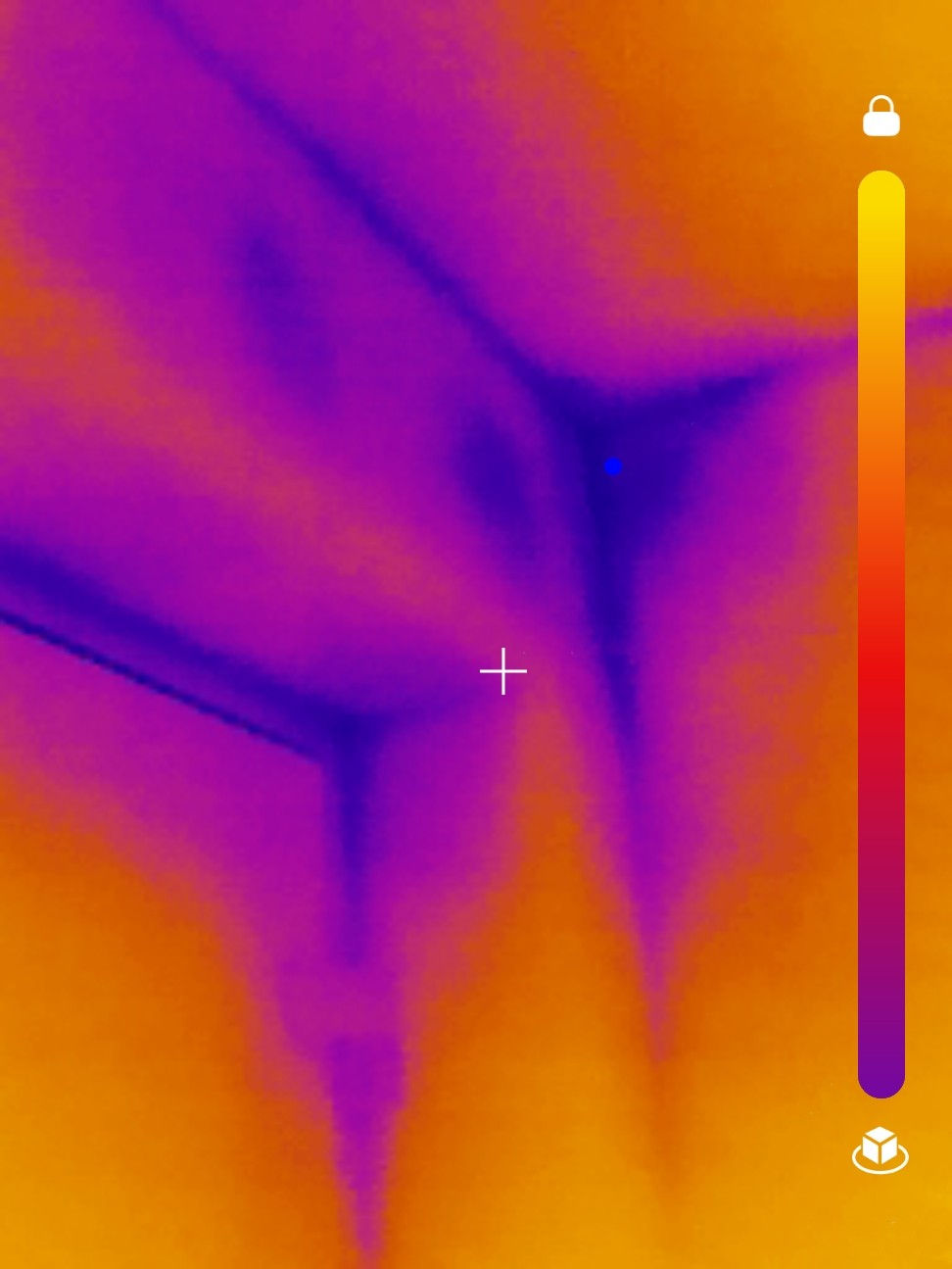


This article does a great job explaining why U-values matter when evaluating insulation performance. Understanding how heat transfers through building materials helps homeowners choose solutions that improve comfort and reduce energy costs. For those planning insulation upgrades, Lakewood Insulation Contractors can provide valuable guidance on selecting efficient insulation systems that deliver long-term energy savings and reliable performance.